The test bench
Things a website can do without a single line of JavaScript.
Everything below is running live, right now, in plain CSS. Scroll slowly — most of it is driven by the scroll itself. Each one says how it works and what it would be for.
Fair warning: this page is showing off, which the rest of the site deliberately doesn’t. If your browser is set to reduce motion, it will respect that and hold still.
01 · radio buttons + :has()
Your brand, swapped in live
Every colour on our sites lives in one data file, so rebranding a page is changing tokens, not redesigning it. Press one — the whole little website below changes clothes at once.
The same page, wearing your colours.
Every surface of this little site just changed with you — background, ink, buttons, the lot. The markup never changes. Only the tokens do.
02 · resize: horizontal — the browser’s own handle
Before and after the grade
Every photograph on this site goes through one grading pass — warmth up, contrast lifted, colour pulled toward the paper-and-persimmon register — so the whole set reads as one. Drag the handle at the bottom-right corner of the divider: graded on the left, straight out of the file on the right. This frame is a licensed placeholder, like every photograph here.
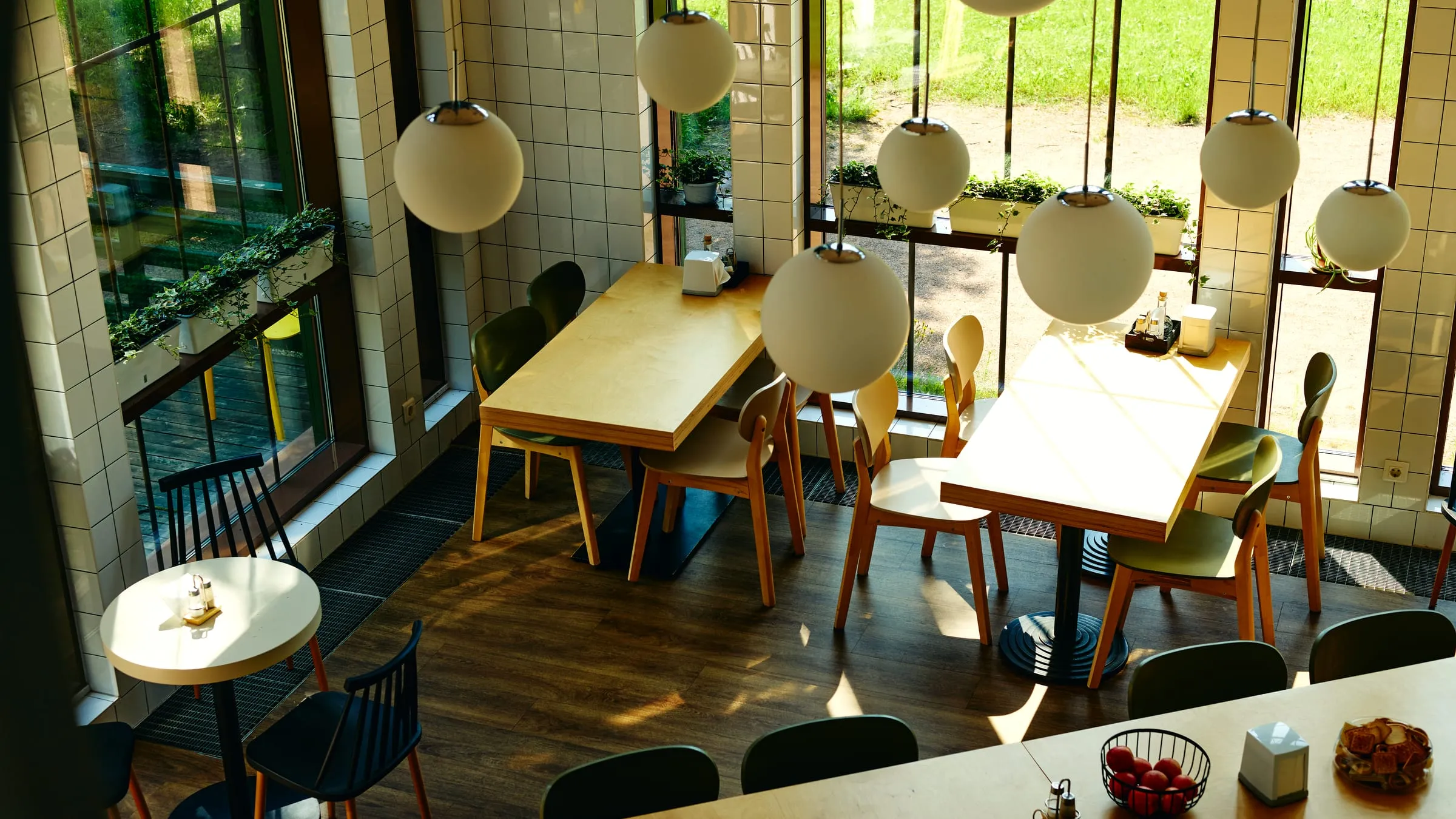
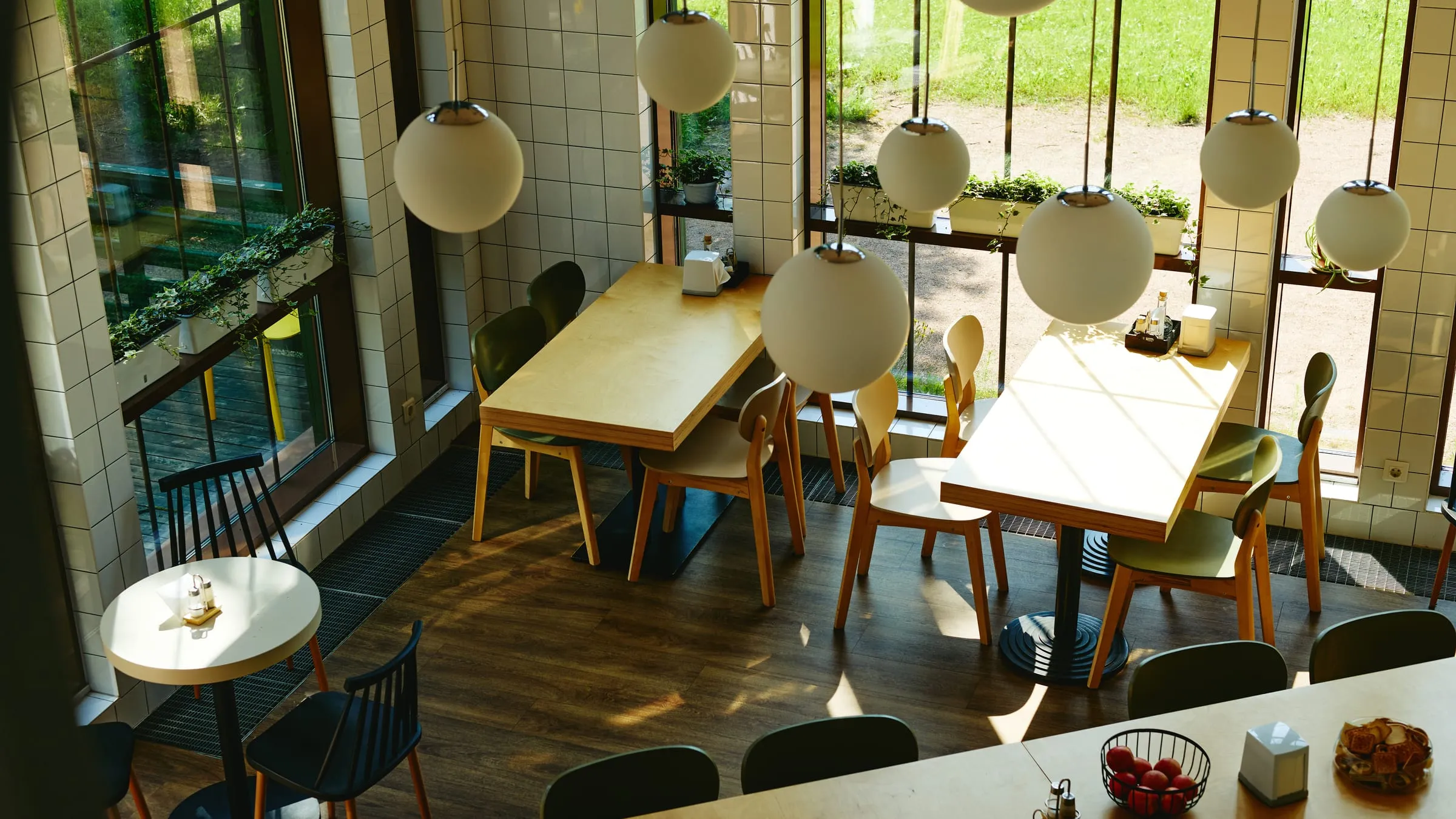
The handle is the browser’s native resize control, which is why it sits in the corner rather than mid-edge. A slider in the middle would need script; this needs none. If you can’t drag it, nothing is hidden — the fully graded frame appears in the next section.
03 · animation-timeline: view()
The scroll is the timeline
The dot below is your scrollbar. Scroll slowly and watch it cross the track; scroll up and it comes straight back — there’s no clock and no script, the scroll position itself is the animation’s progress.
Rise one
Staggered by shifting each block’s animation range, not by delays — a scroll timeline has no clock to delay against.
Rise two
Reduced motion flattens all of this to plain, still content. That’s a feature, not a fallback.
Rise three
Browsers without scroll timelines get the finished state immediately. Nothing is ever hidden from anybody.
04 · a scroll-filled meter · SVG pathLength
Numbers that earn their movement
The bars below fill as they scroll into view. The numbers themselves are plain text and always correct — we tried a counter that counted itself up, and threw it out, because any browser that couldn’t run the trick showed the wrong number. A wrong number is worse than a still one.
100per cent of this page working without script
0cookies, trackers, or third-party requests — that bar stays empty on purpose
The line above draws itself on the way in — the same trick our charts would use, and it costs one SVG path and four lines of CSS.
05 · position: sticky + an exit-range animation
Cards that shelve themselves
Each card holds at the top while the next slides over it, dimming as it’s buried. It’s how we’d present a long menu or a service list without the page feeling long.
First
A thing you offer
Stays put while the next one arrives. No script, no observer — sticky positioning and an exit-range animation.
Second
Another thing you offer
Scroll back up and it un-buries itself — the scroll is the timeline, so it runs in both directions.
Third
The last thing
Used sparingly, this earns its place. Used everywhere, it’s a fairground. We’d use it once.
06 · one variable font, weight ridden by the scroll
Type that sets itself
The headline below arrives feather-light and settles to its full weight as it enters — one font file doing the work of six, steered by the scroll. Reduced motion gets the settled state straight away. You’ve already seen it working: every heading on the site now does this.
Weight is a dial, not a file.
07 · the same scrim discipline, after dark
Dark bands, same rules
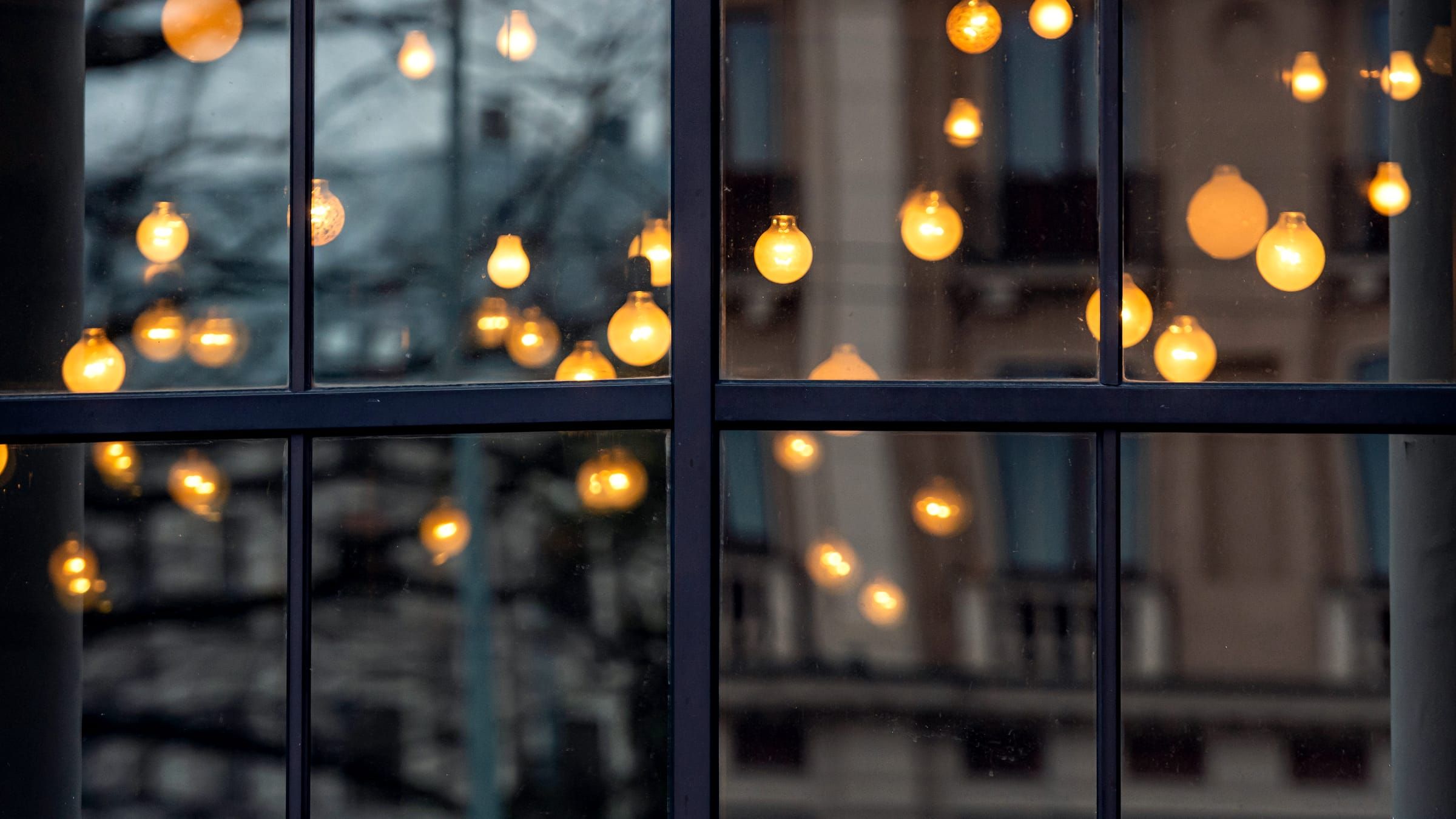
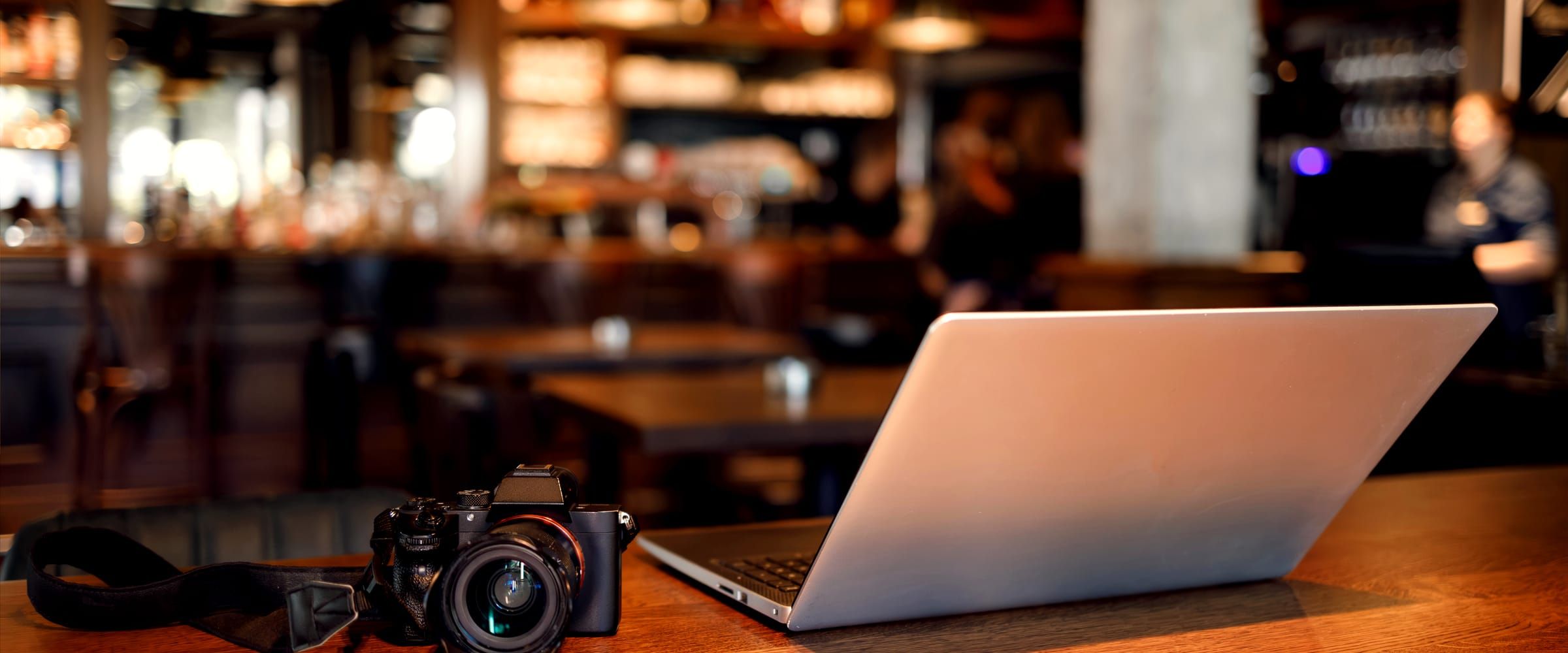
Every photographic band on this site — bright street or midnight window — carries the same contrast maths, so the words stay readable whatever sits behind them.
Licensed placeholder photograph — our own shoot replaces it, same frame, no other change.
08 · scroll-snap, sideways
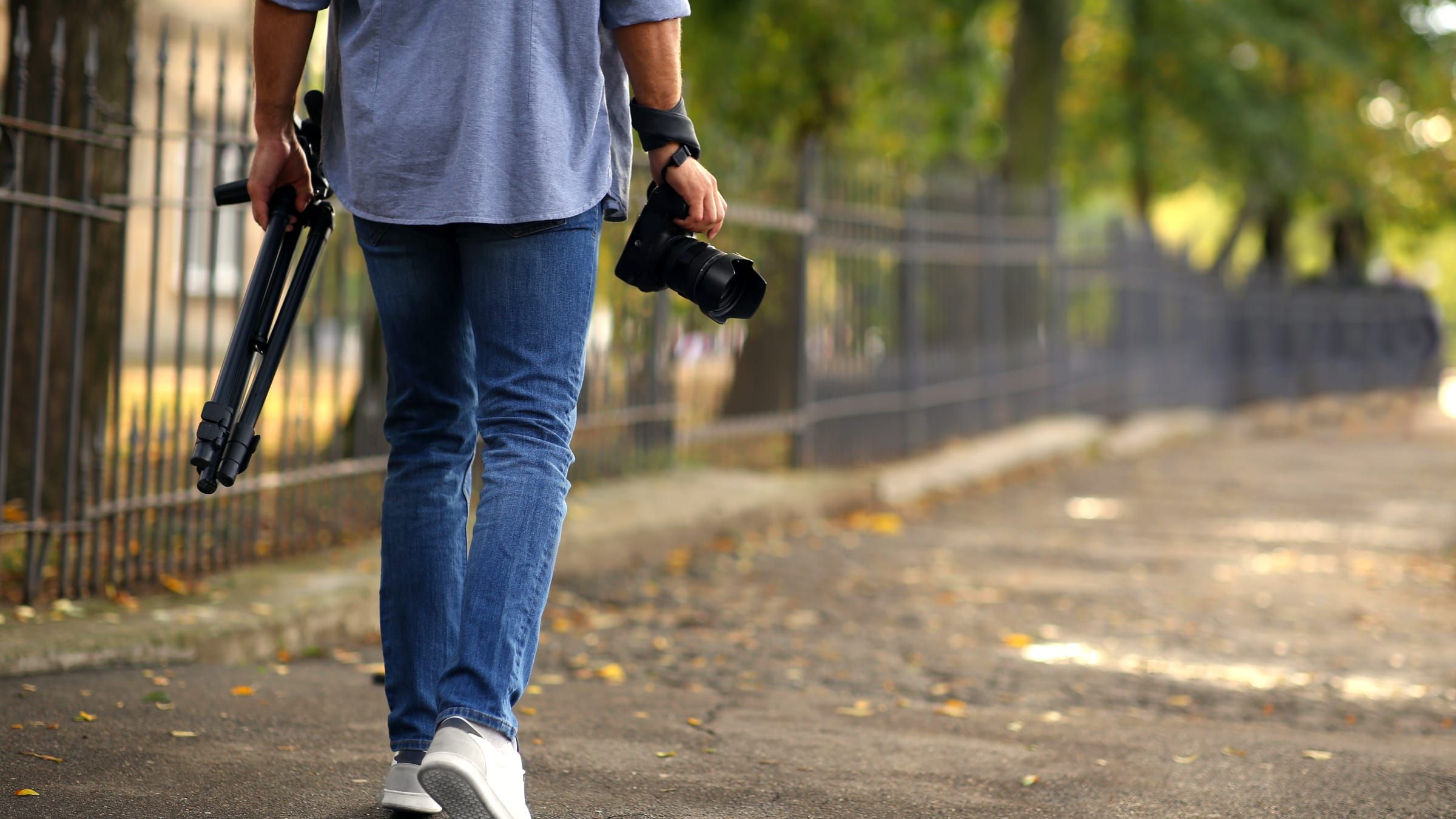
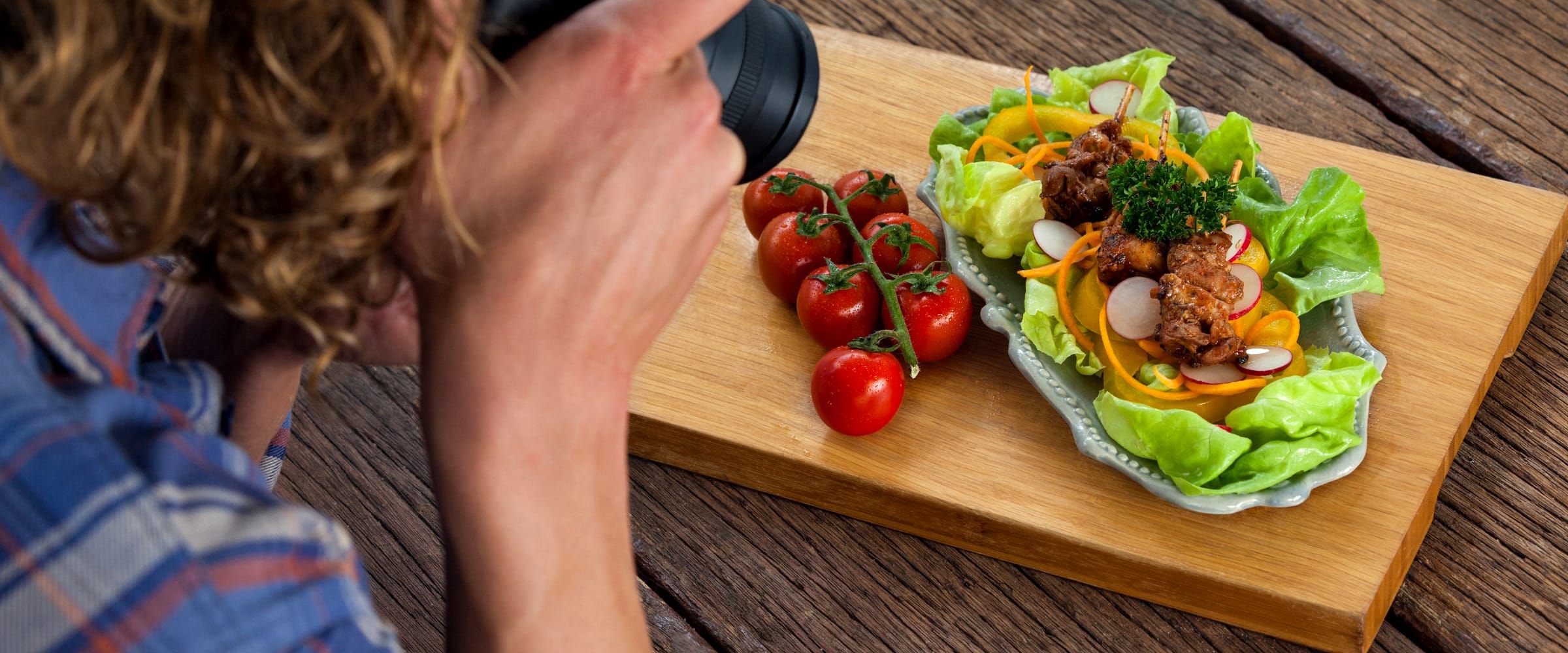
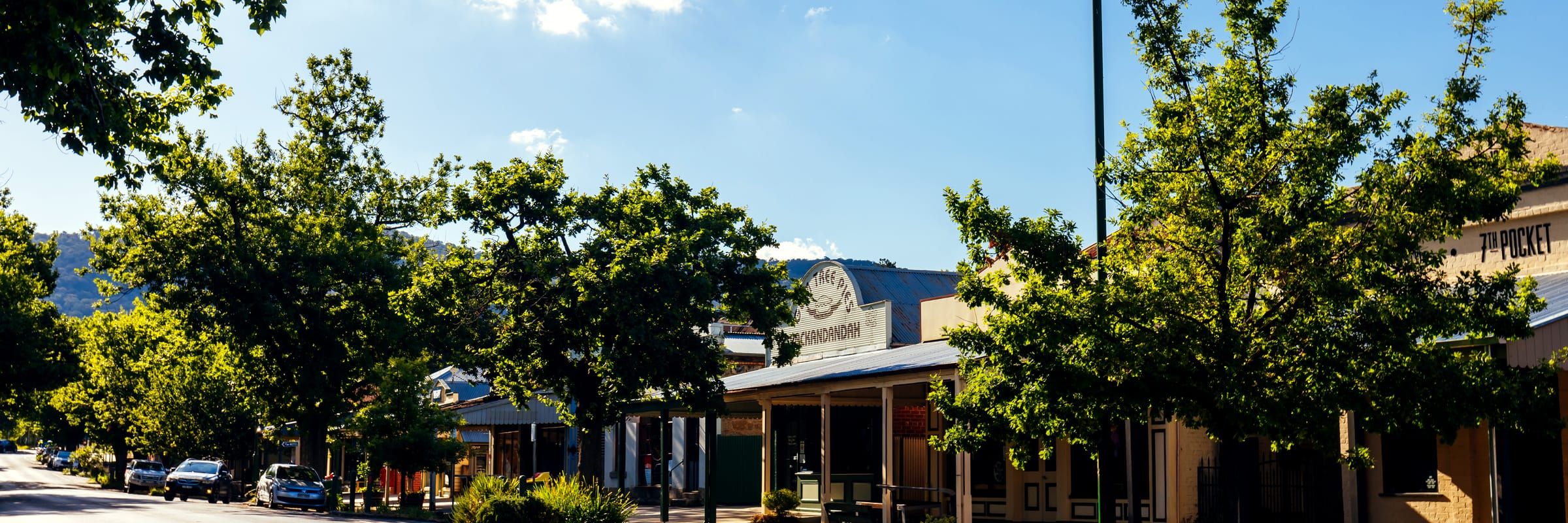
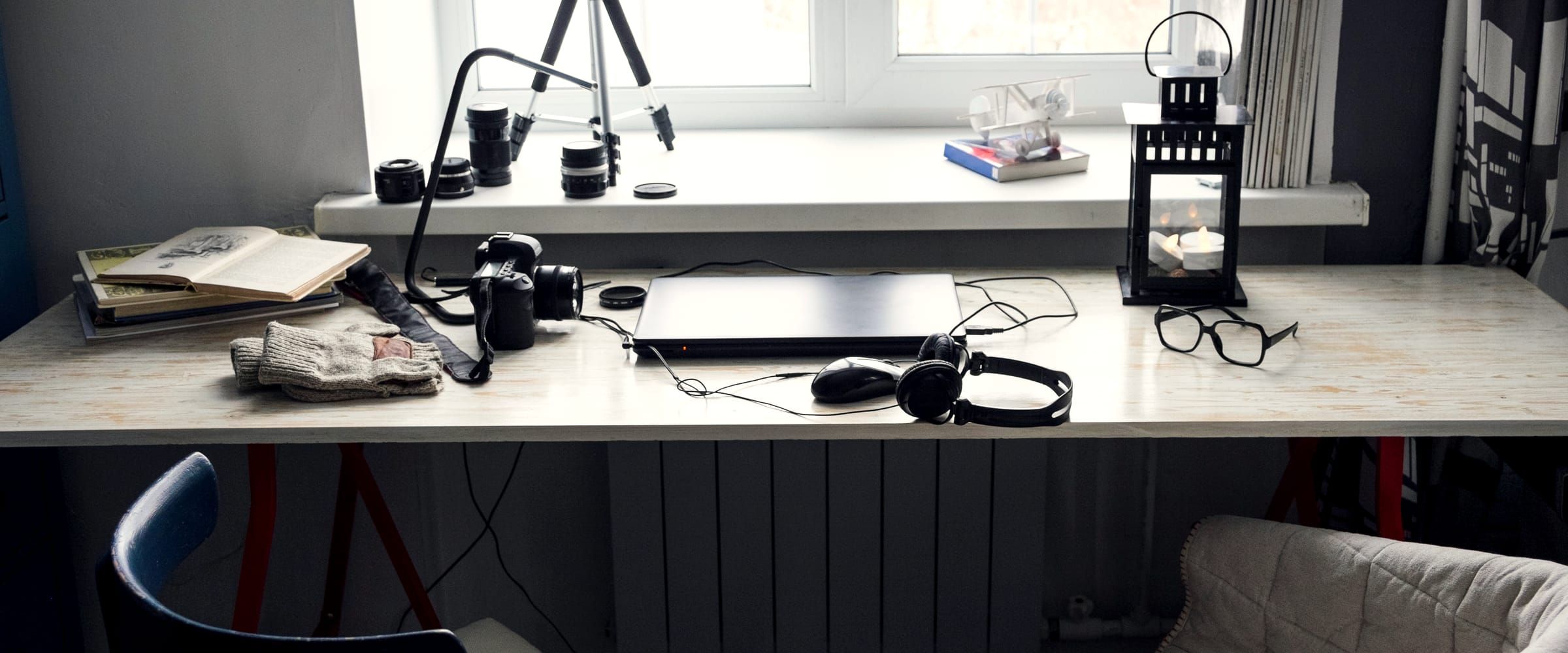
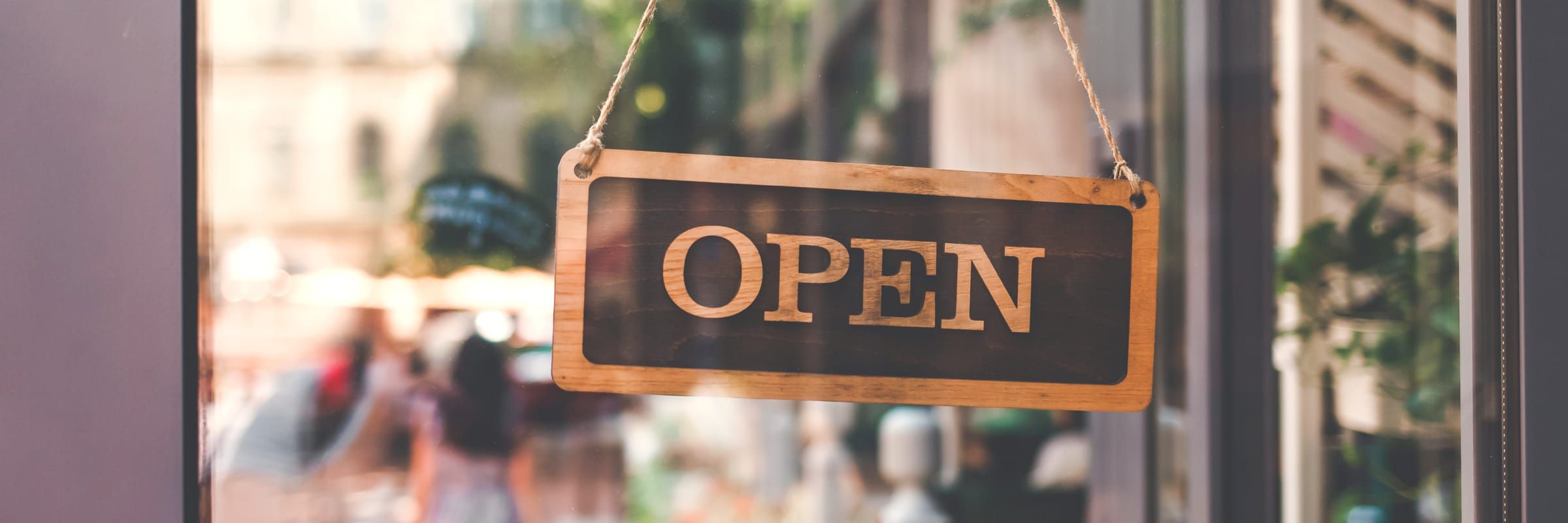
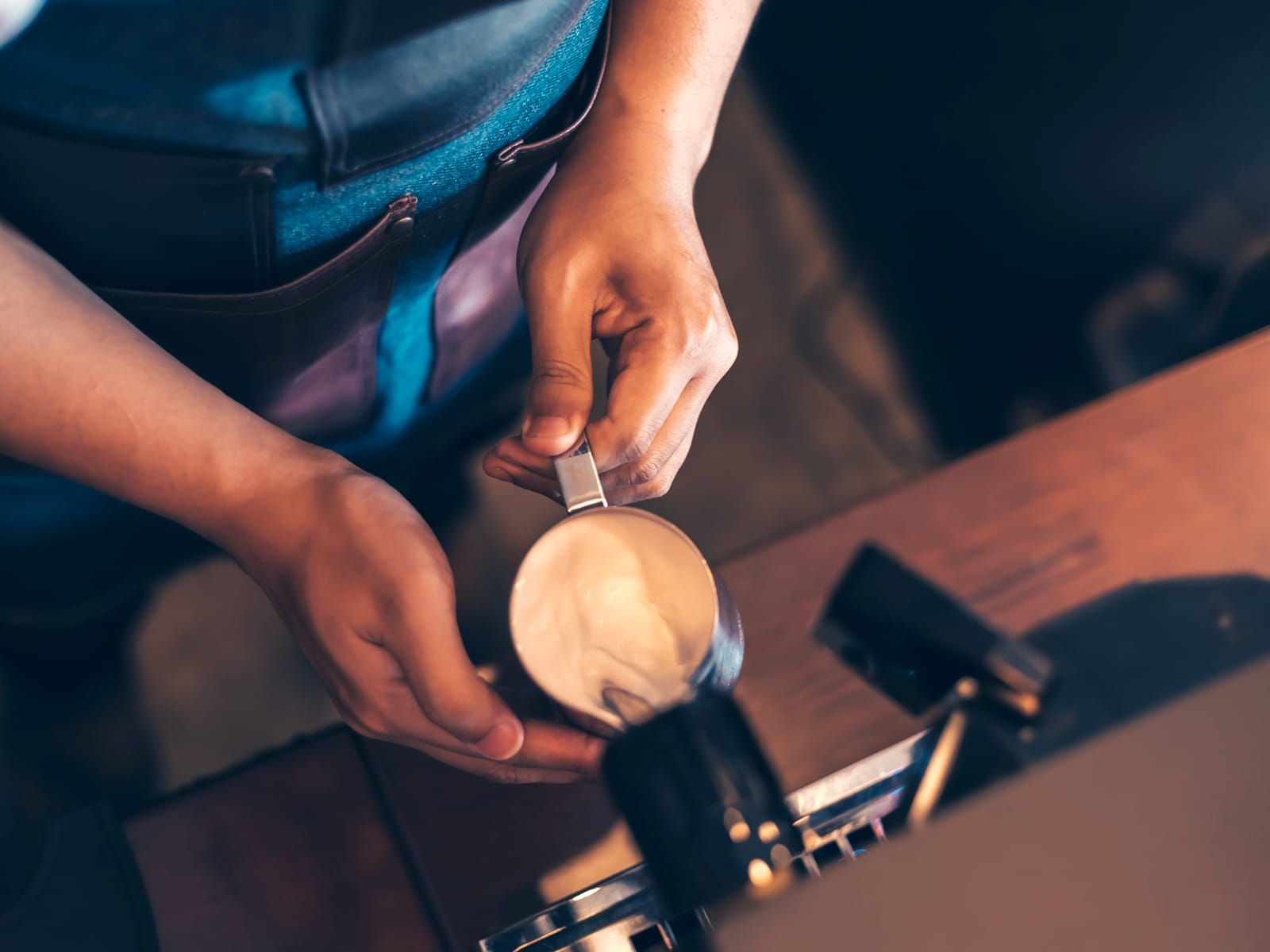
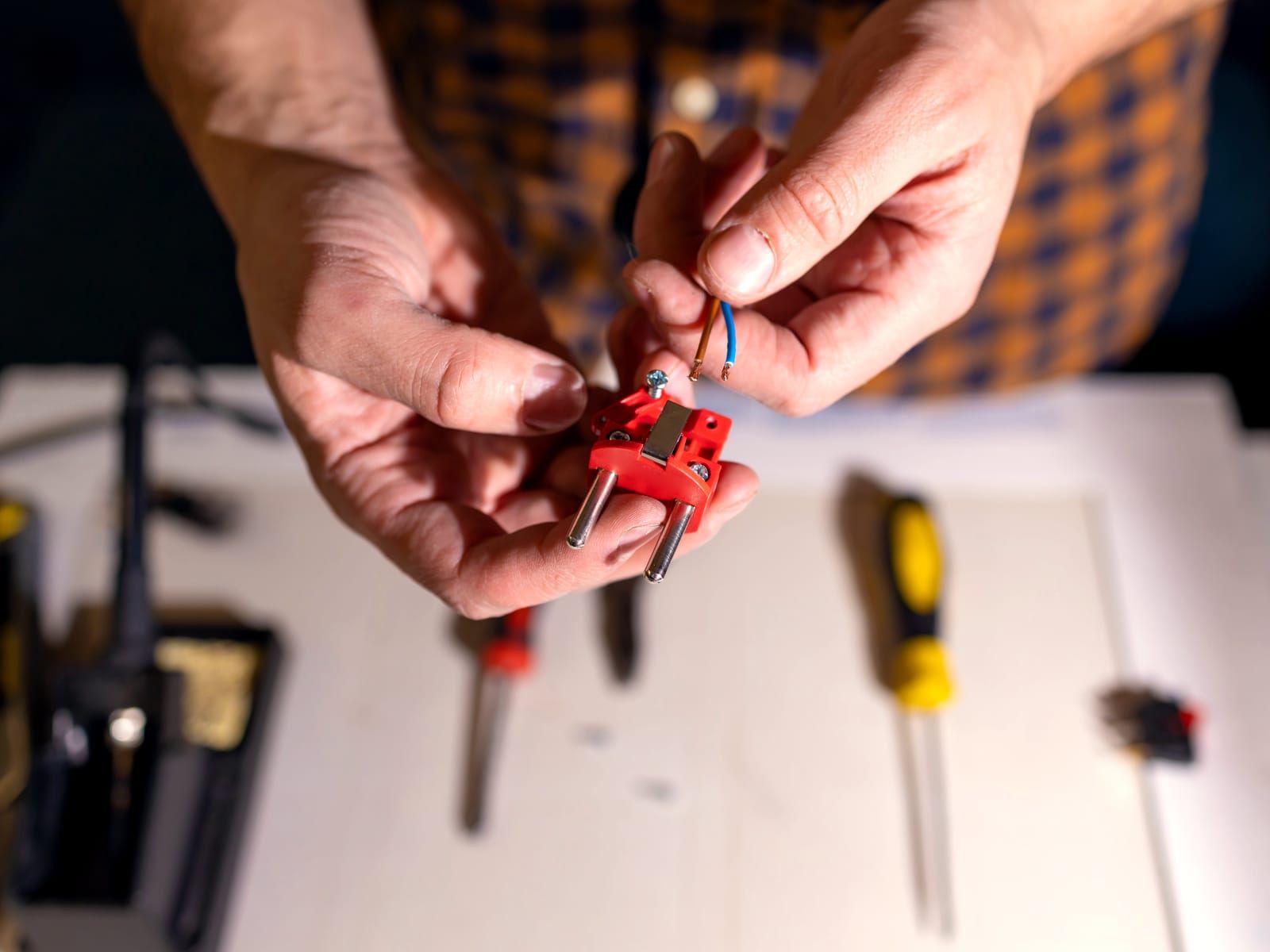
Every photograph on the site, one swipe
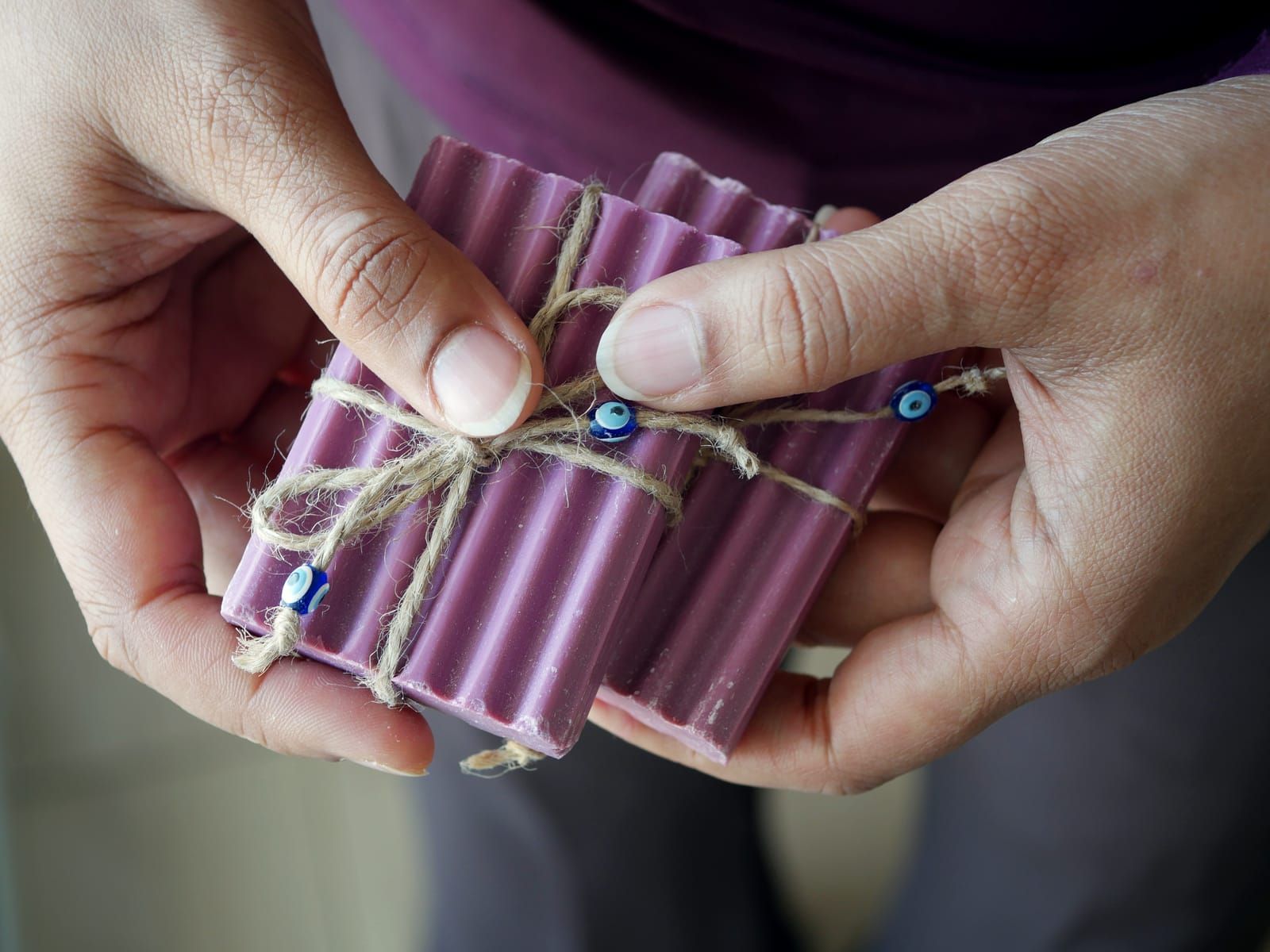
The complete licensed placeholder set, ready to be replaced by our own shoot one filename at a time. Swipe through — the strip snaps without a line of script, and in newer browsers it grows real dots and arrows below, generated by the browser itself, keyboard and all.

09 · a feathered mask, scrubbed by the scroll
Photographs that develop
No sliding, no fading — the picture materialises through a soft edge that sweeps across as it enters, like a print coming up in the tray. Scroll back up and it un-develops.
10 · mix-blend-mode: color, fading out on entry
Brand colours first, real colours after
The photo arrives wearing the brand — a two-tone tint in our ink and persimmon — and resolves to its true colours as it settles into view. For a client, those would be their colours.
11 · background-clip: text, position scrubbed
Ink that follows your eye
The line below fills from faint to full ink at the pace you scroll past it — a highlighter that keeps up with the reader and never gets ahead.
A sentence worth reading twice reads itself in.
12 · words split at build time, staggered by range
One word at a time
Each word lifts into place a beat after the one before it. The splitting happens when the site is built, not in your browser — still not a line of script — and a screen reader hears one ordinary sentence.
Every word earns its place on the page.